Which facial areas can be treated?
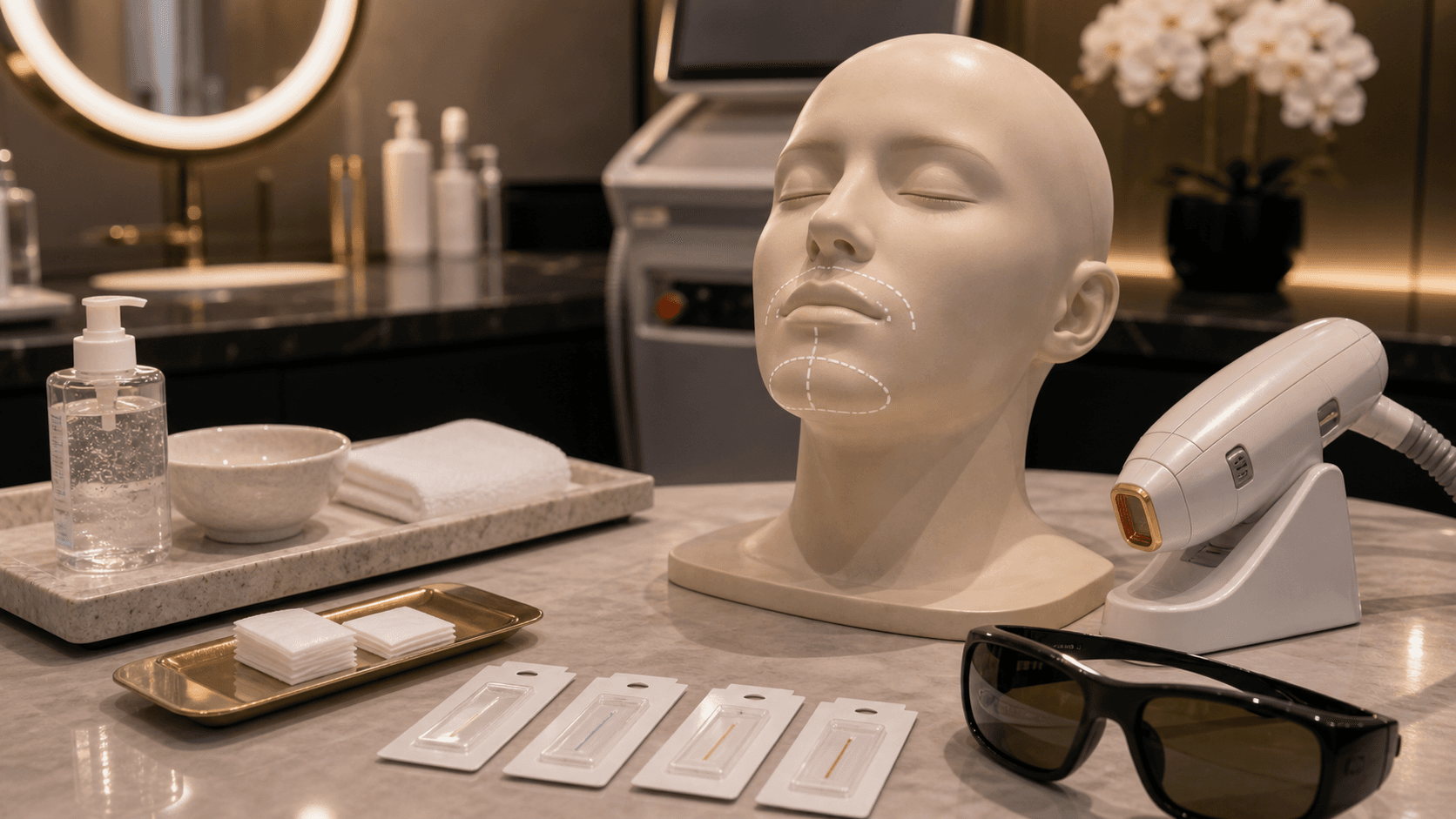
Common facial areas include the upper lip, chin, jawline, sideburns and cheeks. Facial skin is delicate and the hair can be fine, so treatment uses gentle, carefully chosen settings and shorter sessions. Precision matters more here than anywhere — which is why an experienced clinician and the right device are important. See our facial laser hair removal service.
Could my facial hair be hormonal?
Sometimes, yes. Hair on the chin, jawline and upper lip in women can be influenced by hormones, and conditions like PCOS (polycystic ovary syndrome) are a common factor. Signs that hormones may be involved include hair that's coarse, persistent, or accompanied by other symptoms such as irregular periods or acne. This matters because if a hormonal cause isn't addressed, hair can keep being stimulated.
Does hormonal hair respond to laser?
It does respond — laser can meaningfully reduce hormonally-driven facial hair — but because hormones keep stimulating the follicles, you may need more sessions and ongoing maintenance than someone without a hormonal driver. Setting that expectation upfront avoids disappointment. Laser manages the hair well; it just works best alongside addressing any underlying cause.
Should I see a doctor as well?
If your facial hair is new, coarse, spreading, or comes with other symptoms, it's worth a medical assessment to check for an underlying hormonal cause — which can be investigated with hormonal testing. Treating the laser side and the hormonal side together gives the best, most lasting outcome. Our team can guide both.
Is facial laser safe and will it cause more hair (paradoxical growth)?
On the right settings and device, facial laser is safe across skin tones. Rarely, certain areas and skin types can experience paradoxical stimulation, which is one more reason an experienced clinician and proper assessment matter. Your clinician will choose settings appropriate to your skin and hair. Individual results vary.