
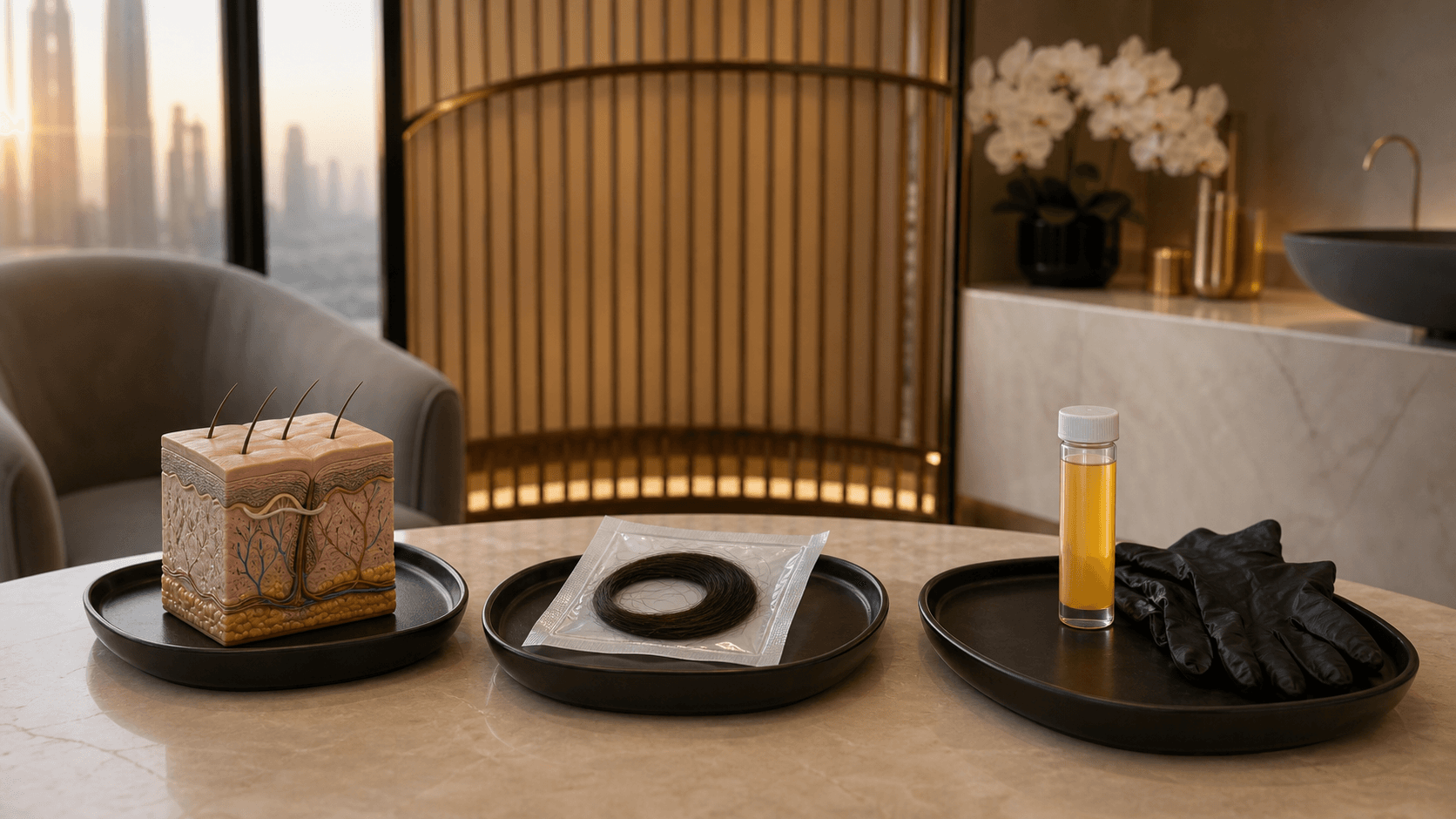
What is PRP, briefly?
PRP concentrates the platelets and growth factors from a small sample of your own blood, which are then applied to the area being treated to support its natural repair and renewal. Because it's derived from your own body, it's an autologous, biocompatible treatment — and that same principle is applied across different areas of the body. (Our pillar guide covers the science in more depth.)
The main uses of PRP
- Skin quality— the PRP facial, to support texture and a refreshed look
- PRP with microneedling Hair— PRP hair restoration, to support hair and scalp health
- Intimate wellness— the PRP-based O-Shot Same core treatment, different applications — each assessed on its own merits.
How do I know if PRP is right for me?
The honest answer is that it depends on your concern and your goals. PRP may suit you if you want to support skin or hair quality, are looking for a natural, autologous approach, and have realistic expectations of gradual results. It may not be the best fit if your concern is really about volume (better suited to fillers) or significant structural change. A appointment matches the treatment to your actual concern.
What results are realistic?
Across all its uses, PRP shares the same honest profile: results are gradual, build over a course of sessions, and vary between individuals. It aims to support your body's own processes rather than guarantee a dramatic outcome, and it's often most effective as part of a combination plan. Setting realistic expectations is what makes PRP a satisfying treatment rather than a disappointing one.
Who might not be suitable?
PRP isn't right for everyone — certain medical conditions, medications or blood-related factors may mean it's not advised, which is exactly why an appointment and health review come first. A responsible clinician will tell you honestly if PRP isn't suitable, or if another treatment would serve your concern better. See our PRP & regenerative medicine services. Individual results vary.