
Skin Health & Dermatology

Hyperpigmentation vs Melasma: How to Tell the Difference

Hyperpigmentation and melasma look similar but need different treatment. A dermatologist explains how to tell them apart and what helps each.

Melasma is actually a type of hyperpigmentation — but it's a specific, hormone-and heat-sensitive form that behaves differently and needs a more careful approach. "Hyperpigmentation" is the umbrella term for any darkening of the skin from excess melanin, including sun spots and marks left after acne. Telling them apart matters, because the wrong treatment can make melasma worse.

darker than the surrounding area because the skin has produced extra melanin. Common types include sun spots (from UV exposure), post-inflammatory hyperpigmentation or PIH (dark marks left after acne, injury or irritation), and melasma. Each has different triggers and responds to different treatments.

appears as larger, symmetrical brown or grey-brown patches — often on the cheeks, forehead, upper lip and bridge of the nose. It's strongly linked to hormones (pregnancy, the contraceptive pill) and is highly sensitive to UV, heat and even visible light. Crucially, melasma is managed rather than cured, and it can flare and recur.

What You Will Learn

What is hyperpigmentation? Hyperpigmentation simply means patches of skin that are

Hyperpigmentation and melasma look similar but need different treatment. A dermatologist explains how to tell them apart and what helps each.

What is melasma, specifically? Melasma is a chronic form of hyperpigmentation that typically

Hyperpigmentation and melasma look similar but need different treatment. A dermatologist explains how to tell them apart and what helps each.

How can you tell them apart? A few clues help, though only a professional assessment is

Hyperpigmentation and melasma look similar but need different treatment. A dermatologist explains how to tell them apart and what helps each.

Why does the difference matter for treatment? Because the same treatment can help one

Hyperpigmentation and melasma look similar but need different treatment. A dermatologist explains how to tell them apart and what helps each.

Key Benefits

definitive

Hyperpigmentation and melasma look similar but need different treatment. A dermatologist explains how to tell them apart and what helps each.

Pattern: melasma is usually symmetrical and patchy across larger areas; sun spots are smaller...

Hyperpigmentation and melasma look similar but need different treatment. A dermatologist explains how to tell them apart and what helps each.

more defined; PIH appears exactly where a previous spot or injury was.

Hyperpigmentation and melasma look similar but need different treatment. A dermatologist explains how to tell them apart and what helps each.

Triggers: melasma flares with hormones and heat; sun spots accumulate with years of UV; PIH

Hyperpigmentation and melasma look similar but need different treatment. A dermatologist explains how to tell them apart and what helps each.

Woman applying sunscreen in Dubai sunshine
Hyperpigmentation and melasma look similar but need different treatment

Endless Beauty Clinic

What is hyperpigmentation? Hyperpigmentation simply means patches of skin that are

What is melasma, specifically? Melasma is a chronic form of hyperpigmentation that typically

How can you tell them apart? A few clues help, though only a professional assessment is

  • definitive:
  • Pattern: melasma is usually symmetrical and patchy across larger areas; sun spots are smaller and
  • more defined; PIH appears exactly where a previous spot or injury was.
  • Triggers: melasma flares with hormones and heat; sun spots accumulate with years of UV; PIH
  • follows acne or irritation.
  • Behaviour: melasma is stubborn and recurrent; sun spots and PIH are often more straightforward
  • to fade.
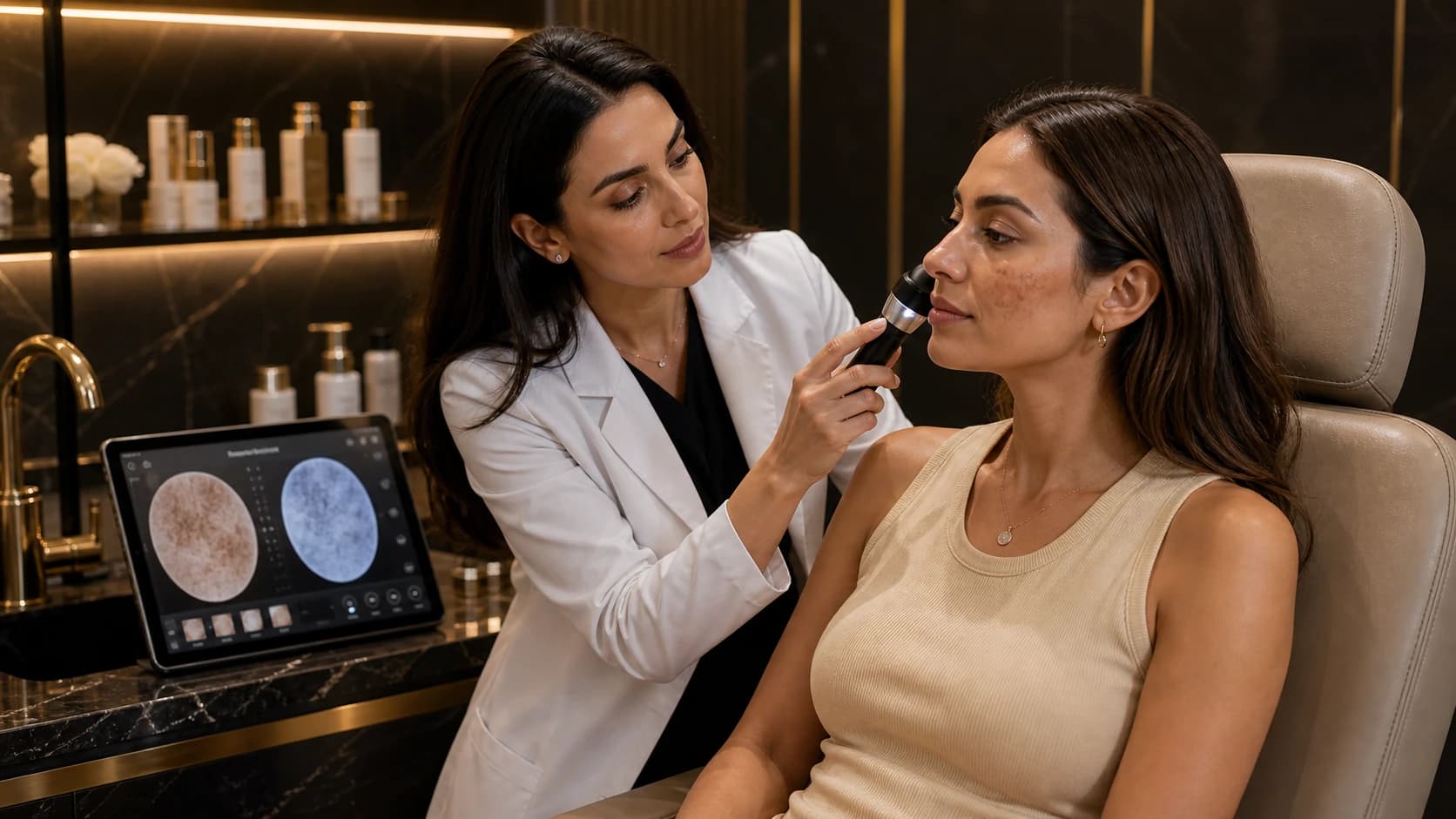
  • Dermatologists may use a Wood's lamp (a special light) to judge how deep the pigment sits, which guides
  • treatment.

Why does the difference matter for treatment? Because the same treatment can help one

and worsen another. Aggressive lasers or heat-generating treatments, for example, can aggravate melasma — particularly on darker skin tones — even while they help sun spots. That's why melasma treatment leans on gentle, gradual methods and strict sun protection, whereas isolated sun spots may respond well to more targeted approaches. Getting the diagnosis right first is the whole game.

What helps each one? Treatment is always personalised, but in general: sun spots and PIH may

respond to medical-grade chemical peels, targeted laser and a good topical routine; melasma needs a conservative, layered plan — sun protection, topical pigment-control, careful in-clinic treatments — focused on control rather than a one-time fix. Our pigmentation and melasma treatment page explains the options, and a dermatology consultation confirms which you have. Individual results vary.

Frequently Asked Questions

Is this Skin Health & Dermatology guide a substitute for medical advice?

No. This article is educational, and suitability for any treatment should be reviewed during a private consultation.

How do I choose the right treatment option?

The right option depends on your skin, goals, medical history, anatomy, and expectations.

Are results the same for everyone?

No. Results, recovery, and the number of sessions vary from person to person.

How can I book a consultation?

Use the consultation button on this page and the clinic team will help coordinate your visit.

Ready to Refresh Your Look?

Book your consultation today and take the first step towards more confident you.

Book Your Consultation