
Pap Smear & HPV Testing: What Every Woman Should Know

Women's Health & Intimate Wellness

Pap Smear and HPV Testing: What Every Woman Should Know

A specialist gynecologist explains Pap smears and HPV testing — what they're for, what to expect, and why cervical screening matters. Confidential care in Dubai.

A Pap smear and HPV test are quick, routine cervical screening checks that look for early changes in the cervix — long before they would ever cause symptoms. They're among the most effective preventative checks in women's health, because they catch changes at a stage when they're highly manageable. The test itself is brief and straightforward. Here's what every woman should know.

What You Will Learn

What is a Pap smear, and what is HPV testing?

A specialist gynecologist explains Pap smears and HPV testing — what they're for, what to expect, and why cervical screening...

Why does cervical screening matter so much?

A specialist gynecologist explains Pap smears and HPV testing — what they're for, what to expect, and why cervical screening...

What does the test involve?

A specialist gynecologist explains Pap smears and HPV testing — what they're for, what to expect, and why cervical screening...

Who should have it, and how often?

A specialist gynecologist explains Pap smears and HPV testing — what they're for, what to expect, and why cervical screening...

Key Benefits

What is a Pap smear, and what is HPV testing?

A specialist gynecologist explains Pap smears and HPV testing — what they're for, what to expect, and why cervical screening...

Why does cervical screening matter so much?

A specialist gynecologist explains Pap smears and HPV testing — what they're for, what to expect, and why cervical screening...

What does the test involve?

A specialist gynecologist explains Pap smears and HPV testing — what they're for, what to expect, and why cervical screening...

Who should have it, and how often?

A specialist gynecologist explains Pap smears and HPV testing — what they're for, what to expect, and why cervical screening...

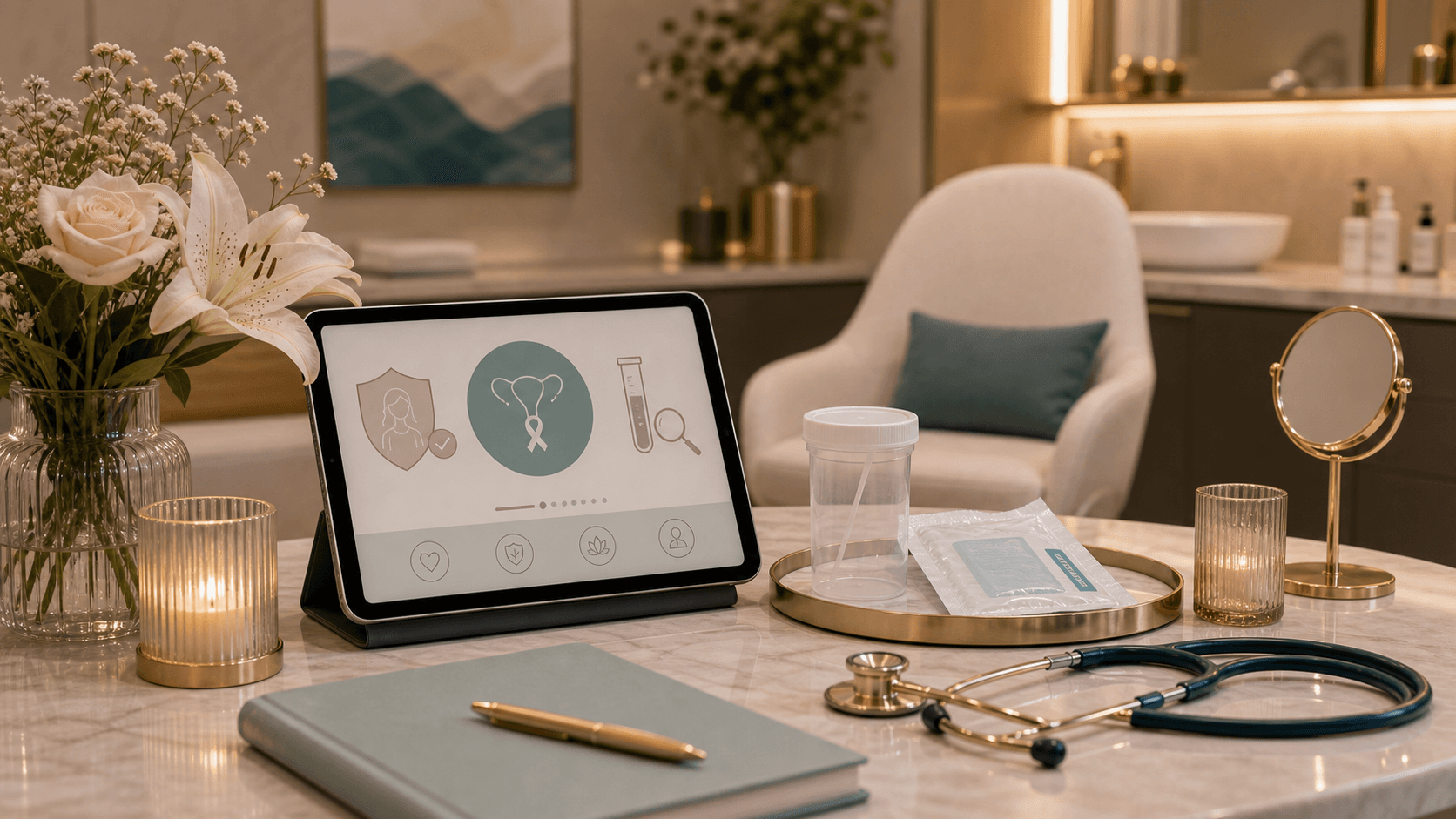
Pap smear and HPV preventive screening appointment setup at Endless Beauty Clinic Dubai
A specialist gynecologist explains Pap smears and HPV testing — what they're for, what to expect, and why cervical screening matters

Endless Beauty Clinic

What is a Pap smear, and what is HPV testing?

A Pap smear (cervical smear) collects a small sample of cells from the cervix to check for abnormal changes. HPV testing checks for human papillomavirus, a common virus that's the main cause of cervical changes that can, over time, develop into more serious problems. The two are often done together. The aim of both is the same: find changes early, when they're easiest to address.

Why does cervical screening matter so much?

Because cervical changes typically develop slowly and silently — usually with no symptoms in the early stages. Screening detects these changes early, allowing simple monitoring or treatment long before they could become serious. It's a genuinely powerful preventative tool, which is why regular cervical screening is recommended for women in the relevant age groups. Early detection makes all the difference.

What does the test involve?

The test is quick and done during a routine gynecology appointment. A specialist gently collects the sample using a small instrument; it takes only a few minutes and most women find it briefly uncomfortable rather than painful. You can ask questions, take your time, and let your doctor know if you're anxious — a good specialist will make it as comfortable as possible.

Who should have it, and how often?

Cervical screening is recommended for women within certain age ranges, at intervals that depend on your age, history and previous results (and whether HPV testing is included). Rather than a single rule, your specialist will advise the right schedule for you. If you're unsure when you're next due — or have never been screened — that's a good reason to book an appointment. See our women's health screening services.

What if a result isn't normal?

An abnormal result is common and usually not a cause for alarm — it most often means minor changes that need monitoring or a simple follow-up, not a serious diagnosis. The whole point of screening is to catch things at this early, manageable stage. Your specialist will explain any result clearly and guide the next steps. This is exactly why screening is so valuable. All appointments are confidential.

Frequently Asked Questions

What's the difference between a Pap smear and an HPV test?

A Pap smear checks cervical cells for changes; an HPV test checks for the virus that causes most of those changes — often done together.

Does a Pap smear hurt?

It's quick and usually briefly uncomfortable rather than painful; tell your specialist if you're anxious.

What if my result is abnormal?

It's common and usually means minor changes needing monitoring or simple follow-up — not necessarily anything serious.

Ready to Refresh Your Look?

Book your appointment today and take the first step towards more confident you.

Book Your Appointment