Cosmetic Surgery Safety: Questions to Ask | EBC Dubai

Cosmetic Surgery

Anaesthesia & Surgical Safety: What to Ask

Every surgery carries risk, and good safety is about reducing and managing that risk — through a qualified surgeon, appropriate anaesthesia delivered by the right professional, a suitable facility, a proper pre-operative assessment, and clear aftercare. This guide explains what to look for and the questions worth asking before you decide, so you can be an informed patient. Being cautious is sensible, and a good clinic will welcome your questions.

Every surgery carries risk, and good safety is about reducing and managing that risk — through a qualified surgeon, appropriate anaesthesia delivered by the right professional, a suitable facility, a proper pre-operative assessment, and clear aftercare. This guide explains what to look for and the questions worth asking before you decide, so you can be an informed patient. Being cautious is sensible, and a good clinic will welcome your questions.

What You Will Learn

Why does surgical safety matter so much?

Every surgery carries risk, and good safety is about reducing and managing that risk — through a qualified surgeon, appropriate anaesthesia delivered...

What types of anaesthesia are used?

Every surgery carries risk, and good safety is about reducing and managing that risk — through a qualified surgeon, appropriate anaesthesia delivered...

Who should administer the anaesthesia?

Every surgery carries risk, and good safety is about reducing and managing that risk — through a qualified surgeon, appropriate anaesthesia delivered...

What makes a facility suitable?

Every surgery carries risk, and good safety is about reducing and managing that risk — through a qualified surgeon, appropriate anaesthesia delivered...

Key Benefits

Why does surgical safety matter so much?

Every surgery carries risk, and good safety is about reducing and managing that risk — through a qualified surgeon, appropriate anaesthesia delivered...

What types of anaesthesia are used?

Every surgery carries risk, and good safety is about reducing and managing that risk — through a qualified surgeon, appropriate anaesthesia delivered...

Who should administer the anaesthesia?

Every surgery carries risk, and good safety is about reducing and managing that risk — through a qualified surgeon, appropriate anaesthesia delivered...

What makes a facility suitable?

Every surgery carries risk, and good safety is about reducing and managing that risk — through a qualified surgeon, appropriate anaesthesia delivered...

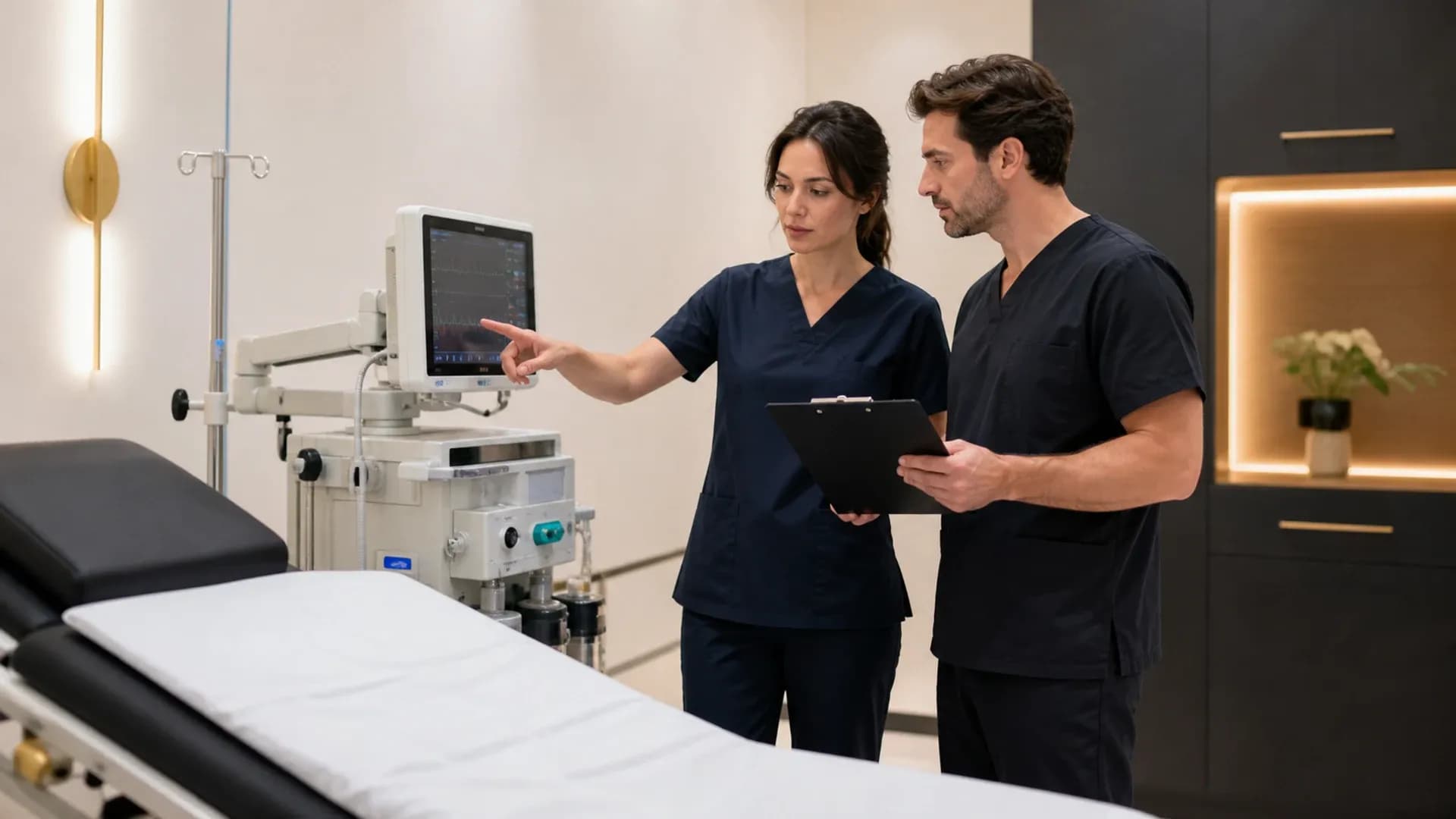
"Pre-operative consultation at Endless Beauty Clinic Dubai" (no before/after)
Every surgery carries risk, and good safety is about reducing and managing that risk — through a qualified surgeon, appropriate anaesthesia delivered by the right professional, a suitable facility, a proper pre-operative assessment, and clear aftercare

Endless Beauty Clinic

Why does surgical safety matter so much?

Cosmetic surgery is elective, which makes safety the priority above all else — there's no reason to accept unnecessary risk for an elective procedure. The way to protect yourself is to understand who is doing your surgery, where, with what anaesthesia, and what happens if something doesn't go to plan.

What types of anaesthesia are used?

Depending on the procedure, options range from local anaesthesia (numbing an area), to sedation, to general anaesthesia (where you're fully asleep). Larger procedures such as a tummy tuck or facelift are typically done under general anaesthesia. Your surgeon and anaesthesia provider will recommend what's appropriate and explain why.

Who should administer the anaesthesia?

General anaesthesia and sedation should be administered and monitored by an appropriately qualified anaesthesia professional — not the surgeon operating at the same time. It's reasonable to ask who will be providing your anaesthesia and monitoring you during and after surgery.

What makes a facility suitable?

Surgery should take place in an appropriately equipped, licensed facility with monitoring and emergency provisions, and clear arrangements for care afterwards. In the UAE, look for a DHA-licensed clinic. It's fair to ask where your procedure will be performed and what emergency provisions are in place.

What pre-operative checks should I expect?

Expect a thorough assessment of your medical history and general health, a discussion of any medications and conditions, and any tests your surgeon considers necessary — all to confirm you're a suitable candidate. If a clinic seems willing to proceed without properly assessing you, treat that as a warning sign, as our clinic red flags guide explains.

Questions worth asking before surgery

Consider asking: What are your qualifications and how often do you perform this procedure? Where will it be done, and is the facility licensed? Who administers and monitors the anaesthesia? What are the specific risks for me? What does recovery and aftercare involve, and who do I contact if there's a problem? A good surgeon will answer these openly. See also how to choose a safe clinic.

Frequently Asked Questions

Is cosmetic surgery safe?

All surgery carries risk; good safety is about reducing and managing it with the right surgeon, facility and anaesthesia. There is no such thing as zero risk.

Who gives the anaesthesia?

General anaesthesia should be given and monitored by a qualified anaesthesia professional.

What should I check about the clinic?

That it's licensed, appropriately equipped, and assesses you properly before agreeing to surgery.

What if I'm unsure?

Take your time, ask questions, and seek another opinion — a good clinic won't pressure you.

Ready to Refresh Your Look?

Book your appointment today and take the first step towards more confident you.

Book Your Appointment